Description
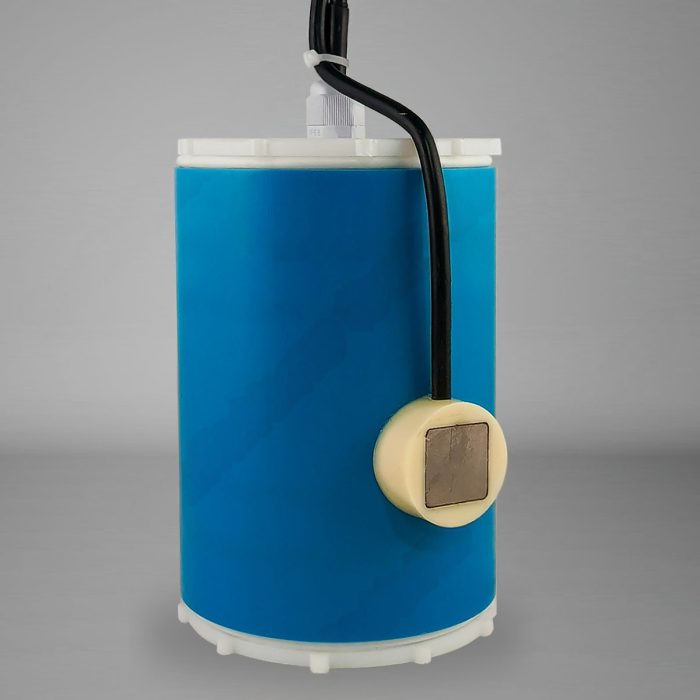
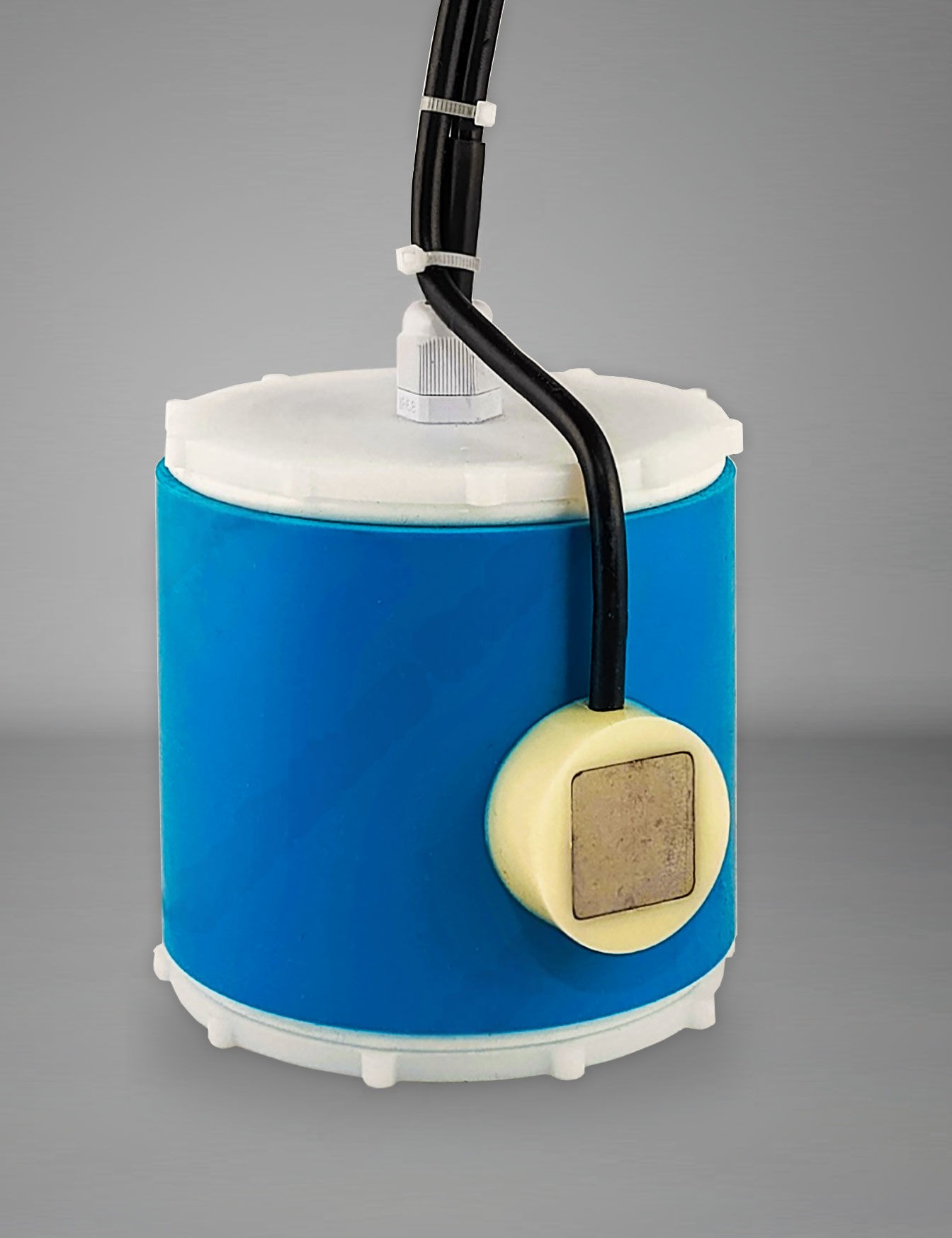
The main function of ESMS reference devices is to monitor the condition of underground metal structures; such devices can be supplied in several modifications. ES allow work to be performed under various conditions, including over large sections.
The device is intended for control measurements on underground metal structures, including pipelines and other constructions. Modernized copper sulfate reference electrodes with an auxiliary electrode make it possible to determine the degree of protection of the facility against corrosion.
The method of operation of the electrodes consists in installing the device below the soil freezing depth. The measurements are based on oxidation and reduction reactions. The design provides for bringing the conductors directly to a cover or to KIP. The modernized reference electrodes are non-polarizable and have a long service life.
Advantages:
- The model can be ordered with a specified length of connecting cables.
- The device is fully ready for use. There is no need to fill electrolyte or perform other preparatory operations.
- The outer housing is made of durable and sealed material. It withstands impacts and mechanical damage.
- The modernized copper sulfate reference electrodes with an auxiliary electrode have a bentonite chamber.
- The porosity of the capillary channels of the outer ceramic membrane is standardized. This ensures good electrolytic contact with the soil at the measurement point.
Technical features
Two modification types of reference electrodes are available. Their difference lies in the auxiliary electrode, which is present in the ESMC-M-VE model. The ESMC device does not have such an electrode. Inside the housing of the additional element there is copper sulfate. A spiral-shaped copper electrode made of refined copper is located in it.
During operation of the device, the preservation of the electrolyte volume in the housing is ensured by an ion membrane. With its help, electrolytic contact of the mass with the electrode is constantly maintained. The material of the contact mass is bentonite clay. Its purpose in the device is to ensure contact with the soil under conditions of low moisture. A porous diaphragm located in the lower part of the device housing serves to provide contact between the soil and the mass.
The auxiliary electrode makes it possible to measure the polarization potential in a pipeline. It is present in the ESMC-M-VE modification model. The equipment is supplied with cable outlets already installed, which have marking tags. This significantly simplifies maintenance of the modernized copper sulfate reference electrodes with an auxiliary electrode. The minimum length of the outlet cables is 5 meters and can be increased at the request of the customer.
One of the important advantages of these ES devices is the stable values of their own potential. Due to this, the measurements are максимально accurate. The minimum operating temperature is -5 °C, the maximum is +45 °C.
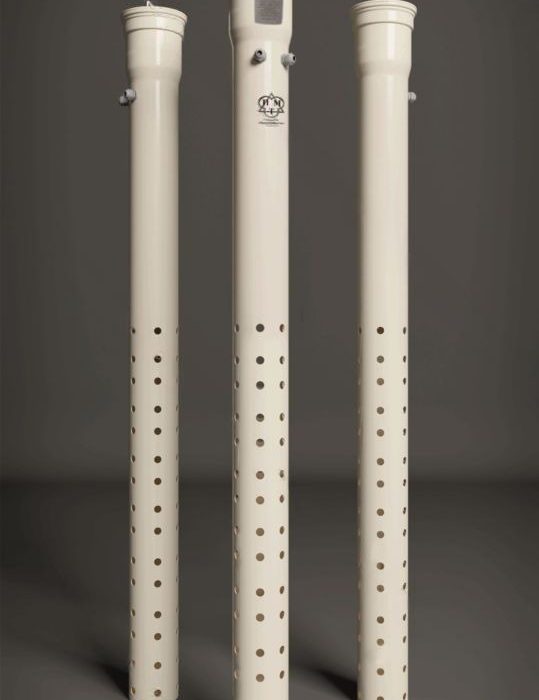
Copper sulfate reference electrodes have a special container for installation. Its housing consists of:
- PVC pipe;
- sealed cover;
- sealed cover;
- sealing ring;
- cable outlets.
The PVC container is intended for installation and removal of the device from the soil surface. The material is sufficiently strong and does not deform during operation. A special terminal plate is located on the housing, to which the electrode leads are connected. They are connected using terminals.
The cable outlet points are hermetically sealed. The standard length of the installation container is 220 cm. The customer can change this parameter when placing an order. The price will depend on the selected length. The diameter has a constant value of 16 cm.
To establish contact of the electrode with the soil surface, the container has perforations at the bottom of the device. The upper part of the installation container is closed and completely sealed.
Technical parameters:
| Characteristics | Value |
| Dimensions, cm | 30, 11 |
| – ESMC-VE | 30, 13 |
| – ESMC | |
| Cable outlet, m | from 5 |
| Weight with 5 m cable, kg | from 4 to 4.8 |
| Service life, years | from 5 |
| Spreading resistance, kΩ | up to 15 |
| Potential, mV | 100 |