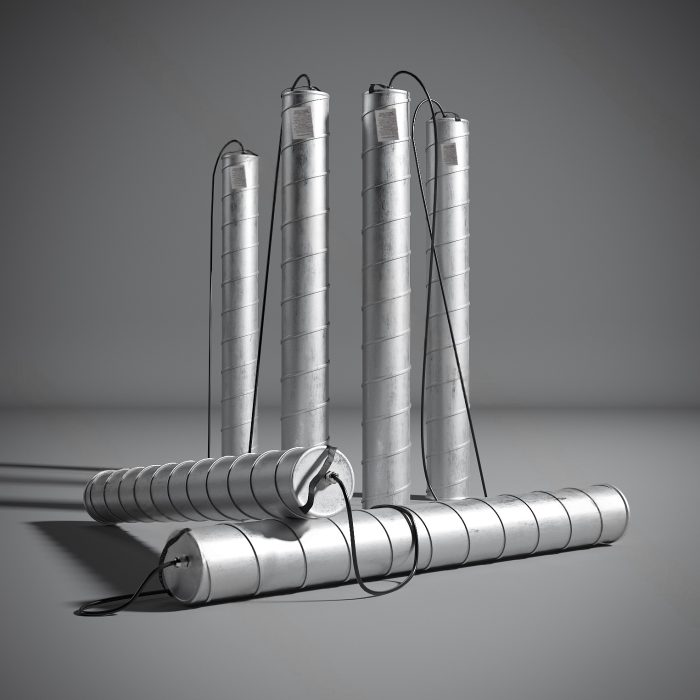
Polymer-based anode grounders made of conductive polymer are designed to create current-discharging circuits for cathodic protection of steel and reinforced concrete structures. They are used in various climatic zones and are effective in soil, river, marine, and other electrolytic environments.
Polymer-based anode grounders made of conductive polymer are designed to form current-discharging circuits for cathodic protection of steel and reinforced concrete structures in contact with soil, fresh or seawater, and other electrolytic environments. They are suitable for use in various climatic conditions.
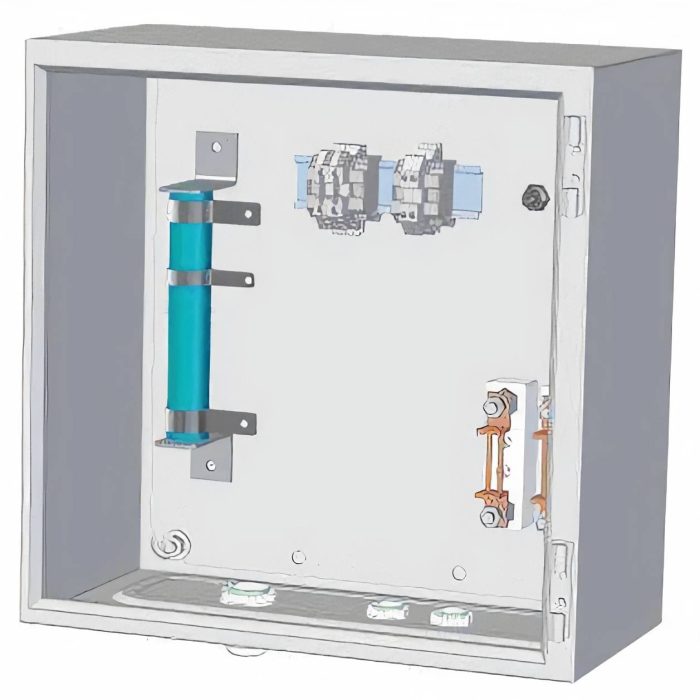
A cathodic distribution box provides the delivery of direct cathodic protection current between structures and along the return route to the power source (the cathodic protection rectifier supplying the current).
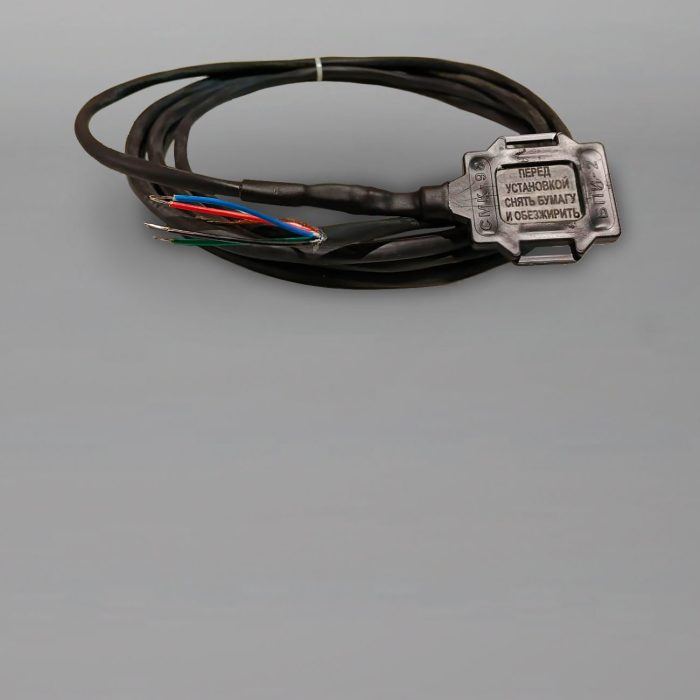
The plate indicator block is intended to assess the current state of corrosion and to monitor the effectiveness of cathodic protection equipment for underground steel structures.
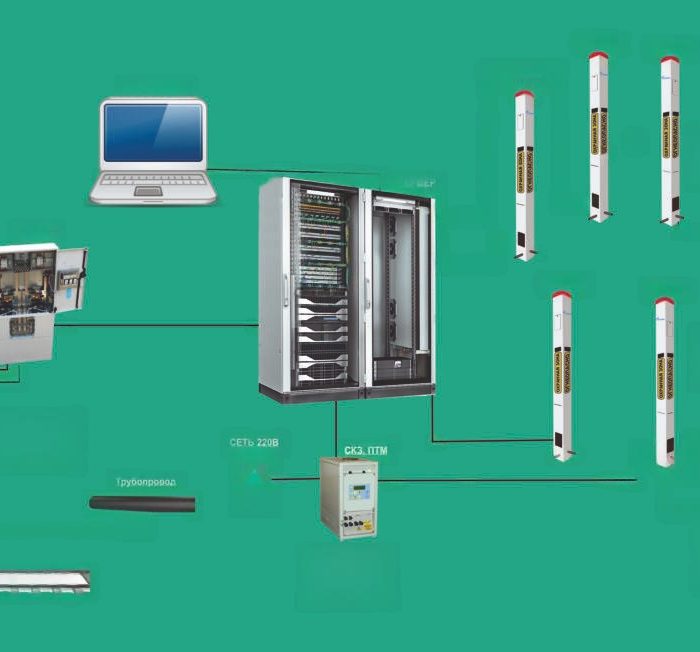
The corrosion monitoring subsystem (PKM) is intended for remote monitoring of cathodic protection parameters, operating modes of cathodic protection stations, and their control via wireless communication channels. It also provides monitoring of corrosion-related changes in the wall thickness of buried metal structures.